




Mold on wooden floor
Mold in wooden floor Need it addressed? Compofloor is the right place for you. Mold under a wooden floor is almost always caused by moisture from the crawl space and an inadequately sealed floor structure. Temporary solutions don't address the root cause of the problem. Compofloor replaces the entire wooden floor with an airtight, lightweight renovation floor that structurally stops mold growth. Read more or request a free quote today.
How does mold develop on a wooden floor?
Mold in a wooden floor develops when moisture remains in the crawl space for extended periods. Moist air rises through cracks, seams, and poorly insulated floors, keeping joists, floorboards, and insulation wet. This creates an ideal environment for mold growth and a musty smell. Ventilation alone is often insufficient, as the source of the mold remains beneath the floor.
In older homes, this problem often occurs because the floor structure isn't airtight. As long as moisture from the crawl space is allowed to circulate, mold will continue to grow. A structural solution, therefore, begins with the floor itself.
What are the risks of mold in a wooden floor?
Mold under a wooden floor is more than just a cosmetic problem. It damages the structure and can lead to weakened beams and instability of the floor. In addition, residents often experience a musty odor, cold floors, and an unpleasant indoor climate. Long-term exposure to mold can contribute to health problems, especially in children and sensitive individuals.
For landlords and property managers, mold means additional complaints and higher maintenance costs. Without a structural approach, the problem will continue to recur, even after cleaning or spot treatment.
What are the benefits of tackling mold with Compofloor?
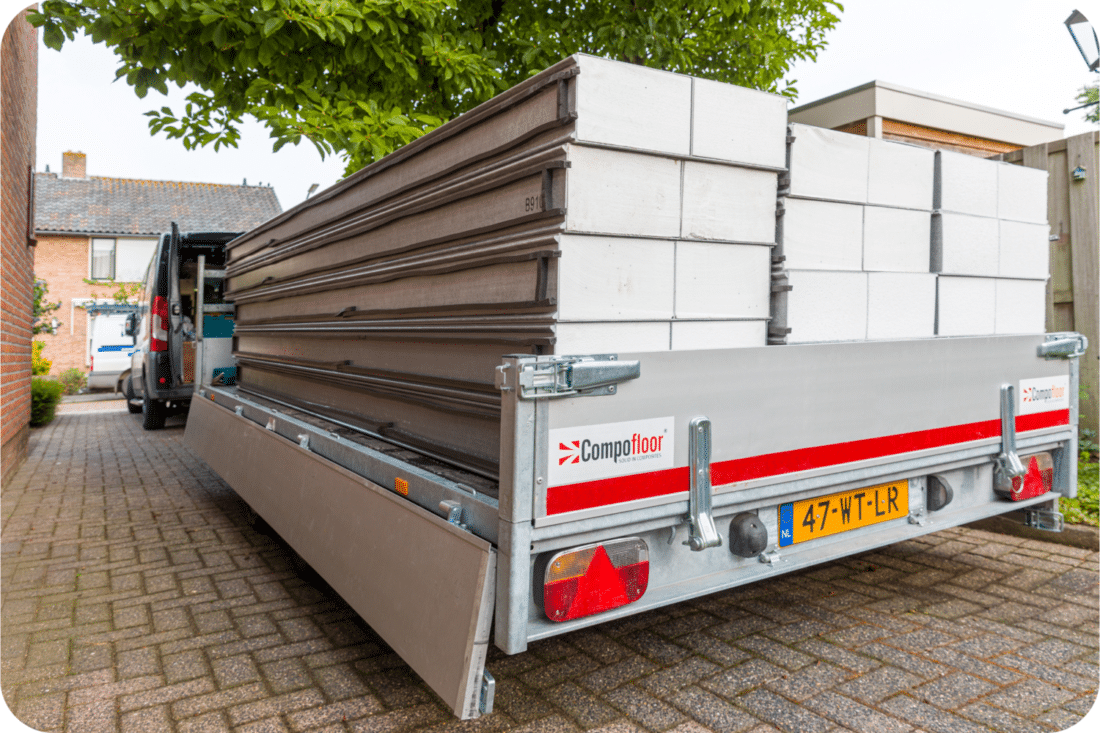
Compofloor tackles mold in wooden floors by eliminating the cause. Instead of treating or covering, we replace the entire floor structure with an airtight renovation system. This completely seals the crawl space from the living area, preventing moisture from rising.
How does removing mold from a wooden floor work?
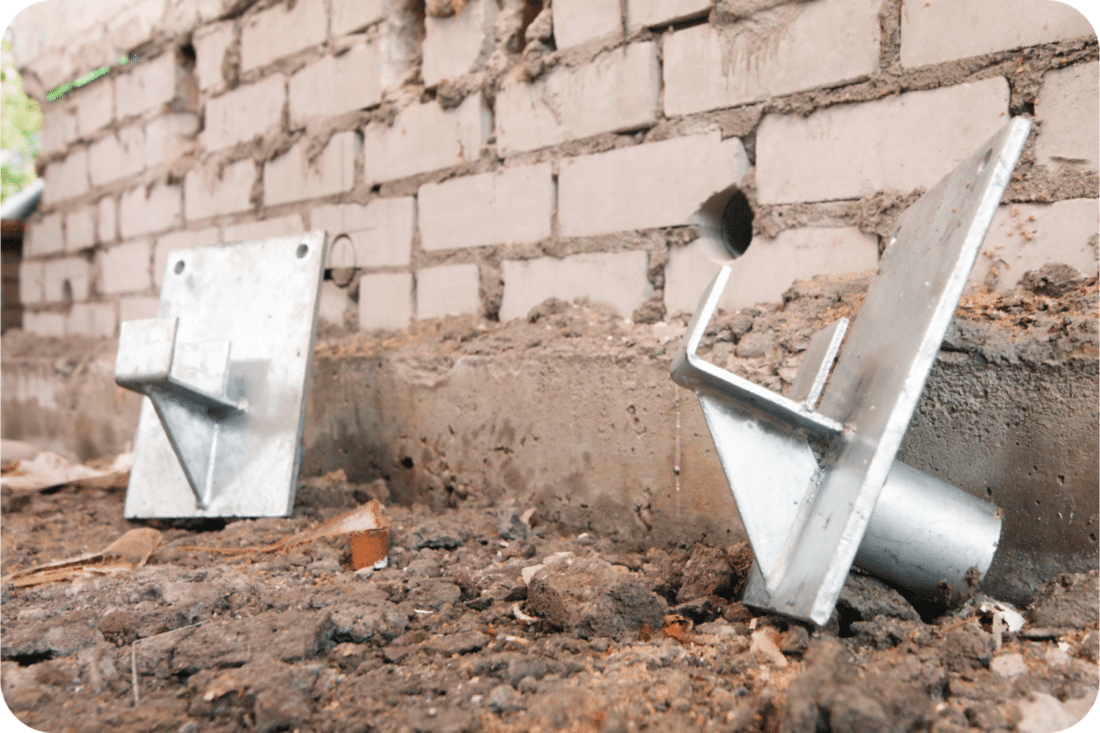
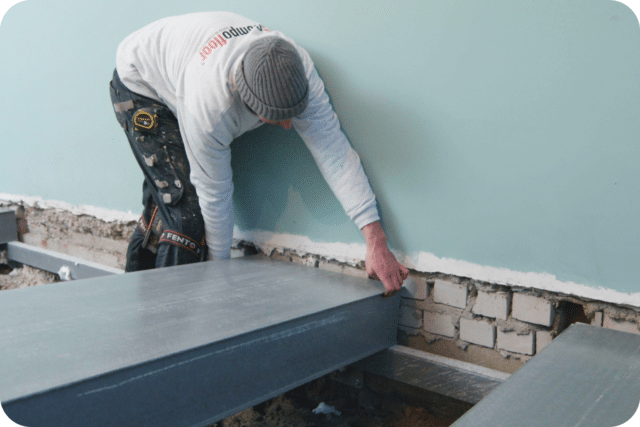
In the case of mold in a wooden floor, we first remove the existing floor, including the joists and affected materials. Then we install the Compofloor renovation floor on the existing foundation. This floor consists of prefabricated, lightweight floor cassettes that are installed dry and clean. Thanks to our proprietary anchor system, we distribute the forces evenly, without adding extra stress to the foundation.
All connections are made completely airtight. This seals out moisture from the crawl space and prevents the influx of mold-causing air. Because the system is installed in dry construction, no concrete pouring or drying time is required. The floor is immediately ready for further finishing.
How much does it cost to remove mold from a wooden floor?
The cost of resolving mold in a wooden floor depends on several factors. The floor surface, the extent of the damage, and the condition of the foundation all play a role. That's why Compofloor always offers a transparent, customized quote, so you know exactly what to expect upfront.
Because we work quickly and prefabricated, the renovation time is kept to a minimum. This prevents unnecessary additional costs and makes the process transparent for both residents and property owners. The investment results in a sustainable flooring solution without recurring mold problems.
What benefits do you notice after mold removal?
After replacing their wooden floor with a Compofloor renovation, residents immediately noticed a difference. The musty smell disappeared, the floor felt warmer, and the indoor climate became more stable. Because the crawl space was sealed airtight, moisture was no longer able to penetrate, and the house remained structurally dry.
Is mold under the floor always visible?
Mold under a wooden floor is often not immediately visible. In many cases, the mold is found on the underside of floorboards or on joists in the crawl space. Residents first notice the problem through odors, damp patches, or a cold-to-the-touch floor. Because of this, mold can sometimes go unnoticed for years.
Precisely because the problem lies beneath the floor, a structural solution is essential. Cleaning or ventilation alone won't solve the underlying moisture problem.
Can you solve mold under a wooden floor yourself?
Removing mold from under a wooden floor yourself seems appealing, but it usually only addresses the surface. As long as the floor structure remains open and moisture can continue to rise, mold will return. Temporary measures offer a false sense of security and postpone the real problem.
By completely replacing the floor structure and sealing it airtight, the cause is permanently eliminated. This makes a renovated floor the most reliable solution for structural mold problems.
Permanently remove mold from wooden floors with Compofloor
Mold on a wooden floor requires a solution that goes beyond treating the symptoms. Compofloor replaces the entire floor structure with an airtight, lightweight renovation floor that seals out moisture and prevents mold growth. This creates a healthy, comfortable home without recurring problems.
Want to know what Compofloor can do for you? Request a free quote today or contact our team for personalized advice.
What customers say about us

Frequently Asked Questions
How do you recognize mold under a wooden floor without opening it up?
Typical signs of mold under a wooden floor include a persistent musty smell, cold floor surfaces, and recurring damp patches with no visible cause.
Can a wooden floor rot due to mold growth?
Yes, long-term mold growth can cause wood rot, causing load-bearing floor elements to lose their strength and the structure to become unstable.
What is the difference between mold treatment and floor replacement?
A mold treatment only addresses the symptoms, while floor replacement, such as with Compofloor, also structurally eliminates the cause – moisture from the crawl space.
Why does mold under wooden floors often return after cleaning?
Without an airtight seal in the crawl space, moisture will continue to rise, causing mold to reappear despite previous cleaning.
Is it safe to live in a house with mold under the floor?
Long-term exposure to mold under the floor can pose health risks, especially for children, the elderly, and people with respiratory problems.
How quickly should mold under a wooden floor be addressed?
Once mold is suspected or diagnosed, prompt action is important to prevent further damage to the floor structure and the indoor climate.
What happens if you ignore mold under a wooden floor?
If left untreated, mold can lead to wood rot, higher renovation costs, and a permanently unhealthy living environment.
Yes, I want a non-binding one
receive a quote
Are you curious what it will cost for your project or at your home? Request a no-obligation quote.

