




Making an old house more sustainable
Making an old house more sustainableYou've come to the right place at Compofloor. Many older homes lose unnecessary heat through the floor, creating an imbalance between comfort and energy consumption. By starting with a well-insulated, airtight floor, you lay a solid foundation for further sustainability improvements. Compofloor replaces the existing floor structure with a lightweight renovation floor that immediately provides greater comfort, lower energy costs, and a future-proof home. Read more or request a free quote today.
Where do you start when making an old house more sustainable?
Making an older house more sustainable starts with understanding where energy is being lost. In many homes built in the 1930s and post-war years, the floor is poorly insulated and not airtight, allowing cold air from the crawl space to enter the house. This causes cold feet, drafts, and higher energy consumption. Those who only consider installations or glass often ignore this major energy loss.
By starting with the floor, you're tackling the foundation of your home. A well-insulated and airtight floor makes subsequent steps like underfloor heating or a heat pump more effective and cost-effective. This way, you can make your home more sustainable step by step, without having to tackle everything at once.
What are the benefits of making an old house more sustainable?
Making an older home more sustainable immediately delivers noticeable benefits in terms of comfort and energy consumption. The home feels warmer, temperature fluctuations decrease, and drafts disappear. Furthermore, energy bills decrease because heat is better retained. For many residents, this is the moment when a home truly starts to feel comfortable.
In the long term, sustainability contributes to value retention and future-proofing. A well-insulated home is more attractive to buyers, tenants, and financiers. Moreover, a sustainable flooring solution aligns with changing regulations and energy standards.
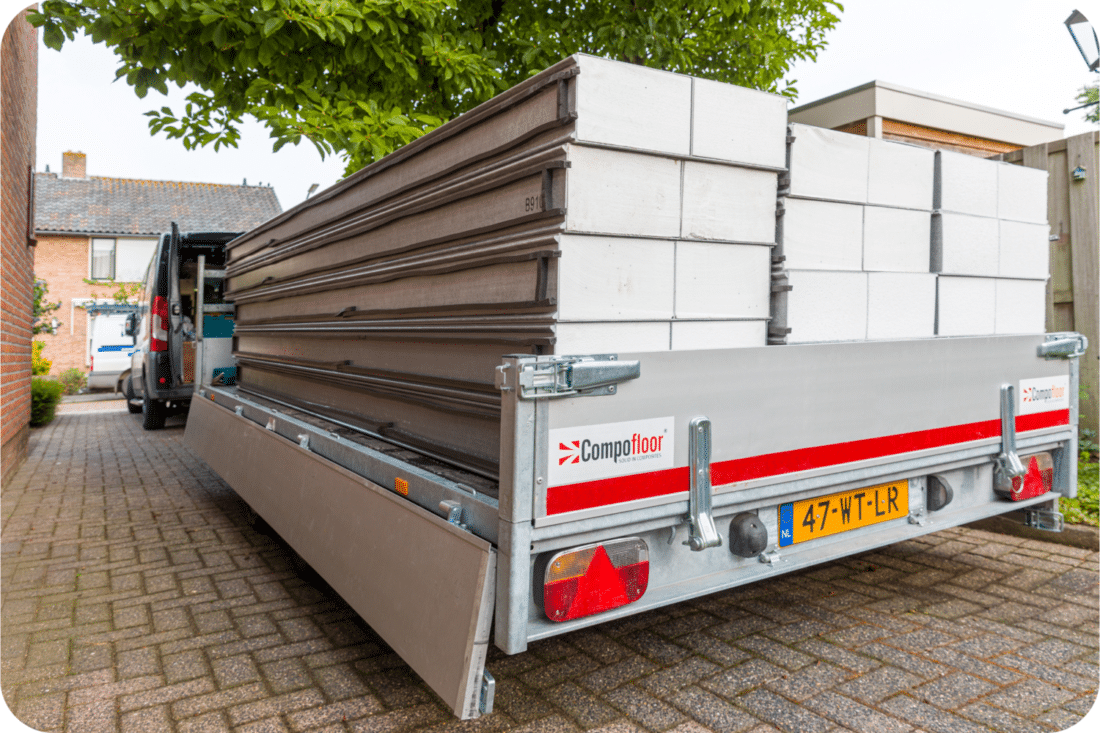
What are the benefits of making your home more sustainable with a Compofloor renovation floor?
Compofloor helps make an old house more sustainable by completely replacing the floor structure. Instead of adding insulation to an existing wooden floor, the entire base is replaced. This creates a stable, well-insulated, and airtight floor suitable for modern installations and further sustainability improvements.
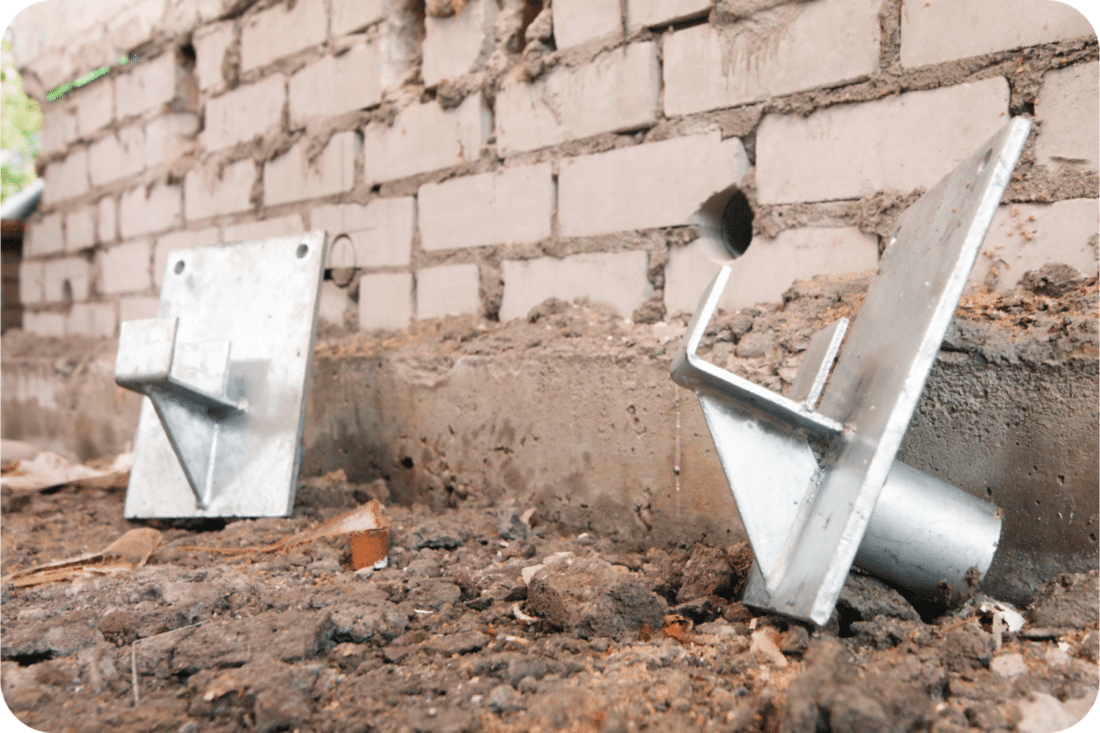
How does making an old house more sustainable through the floor work?
When upgrading an old house with Compofloor, the existing wooden floor structure is first removed. This makes way for a clean and stable subfloor. We then install prefabricated floor cassettes on the existing foundation, without pouring concrete and without additional loads. Thanks to the proprietary anchor system, forces are evenly distributed.
All connections are sealed airtight, preventing moisture and cold air from entering the crawl space. Because the system is installed using drywall construction, there's no drying time, allowing for immediate finishing. This creates a durable foundation without the need for lengthy renovations.
How much does it cost to make an old house more sustainable?
The cost of making an old house more sustainable depends heavily on the measures chosen and the condition of the property. At Compofloor, the floor area, foundation conditions, and accessibility determine the investment. That's why you always receive a transparent, customized quote, with no surprises.
While sustainability is an investment, it consistently delivers lower energy costs and increased living comfort. By starting with the floor, you make subsequent sustainability improvements more effective and prevent measures from contradicting each other.
What benefits do you notice immediately after sustainability?
After upgrading an old house's flooring, residents notice an almost immediate difference. The floor feels warmer, the temperature in the house becomes more stable, and drafts disappear. Air quality also improves because moist crawl space air no longer enters the home.
Do you have to make everything sustainable at the same time?
Many people think that making an old house more sustainable means tackling everything at once. In practice, a gradual approach to sustainability is actually more effective. By starting with the floor, you create a solid foundation upon which other measures can logically connect. This prevents misinvestments and simplifies the process.
This approach is accessible for seniors, first-time buyers, and families. You immediately improve comfort while retaining the freedom to take further steps later.
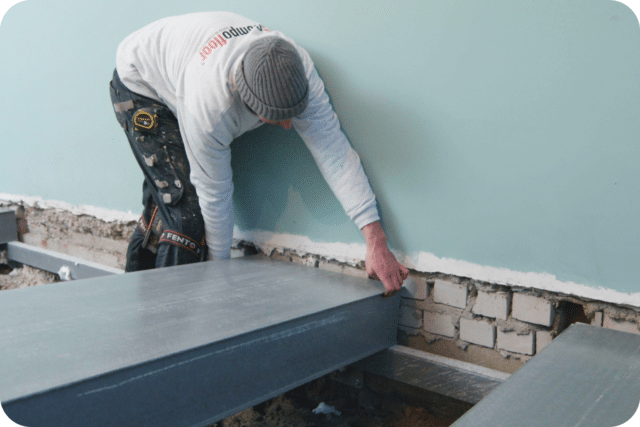
Is an old house suitable for modern sustainability?
Older homes are often better suited to sustainability upgrades than you might think. Precisely because a lot of heat is lost, the potential benefits are substantial. With a lightweight and airtight renovation floor, even a 1930s or post-war home can be prepared for modern systems like underfloor heating or a heat pump.
The key lies in a structurally sound approach. By considering the existing foundation and structure, a sustainable solution is created without unnecessary risks.
Making an old house more sustainable with Compofloor
Making an old house more sustainable starts with a solid and energy-efficient foundation. Compofloor replaces the existing floor structure with a lightweight, airtight renovation floor that immediately contributes to comfort and energy savings. This way, you can prepare your home for the future step by step, without major renovations.
Want to know how to best make your home more sustainable? Request a free quote today or contact our team for personalized advice.
What customers say about us

Frequently Asked Questions
What is the biggest pitfall when making an old house more sustainable?
A common mistake is investing in installations such as a heat pump without first improving the floor or shell of the house, which results in a loss of efficiency
Why is the crawl space so important when making older homes more sustainable?
The crawl space is a major source of heat loss and moisture problems; an airtight floor prevents cold air and moisture from entering the home.
Can an old house without cavity walls still be made more sustainable?
Yes, especially through the floor, a lot of gain can be achieved, because this is often the biggest insulation leak in houses without cavity walls.
What are the signs that the floor of an old house needs to be renovated?
Cold feet, draughts around the skirting boards and a high energy bill are clear signs that the floor is insufficiently insulated.
How does floor insulation contribute to lower heating costs in an older house?
By making the floor airtight and limiting heat loss, the heating does not have to work as hard, which immediately reduces energy consumption.
Can you get a subsidy for making an old floor more sustainable?
ISDE subsidies can be applied for for sustainability measures such as floor insulation or replacement, provided they are carried out in accordance with the conditions.
What makes a prefabricated renovation floor suitable for old houses?
A prefabricated renovation floor is lightweight, quick to install, and places minimal strain on the existing foundation – ideal for older building structures.
Yes, I want a non-binding one
receive a quote
Are you curious what it will cost for your project or at your home? Request a no-obligation quote.

